Where juice bottle rinsers fit
This page targets buyers searching for juice bottle rinsers because the application, bottle shape or product category often comes before the machine name. For juice producers and beverage filling rooms, the useful shortlist starts by matching the container to the rinse route, not by choosing a model at random.
Typical formats include glass juice bottles, PET juice bottles and dairy-style beverage containers. These packs can need a dry air rinse, an internal water wash, external cleaning or a wash-dry process depending on how the container is supplied and what happens immediately before filling.
Specification checks for this application
Before comparing machines, record bottle height, diameter, neck opening, material, stability and whether the pack is round, square, oval or shaped. For juice producers and beverage filling rooms, it is also worth checking whether the line will run one product continuously or several shorter batches during the week.
- Confirm whether the bottle can be inverted, indexed or gripped safely.
- Check if the container must stay dry before filling or labelling.
- Note the target output in bottles per minute or bottles per hour.
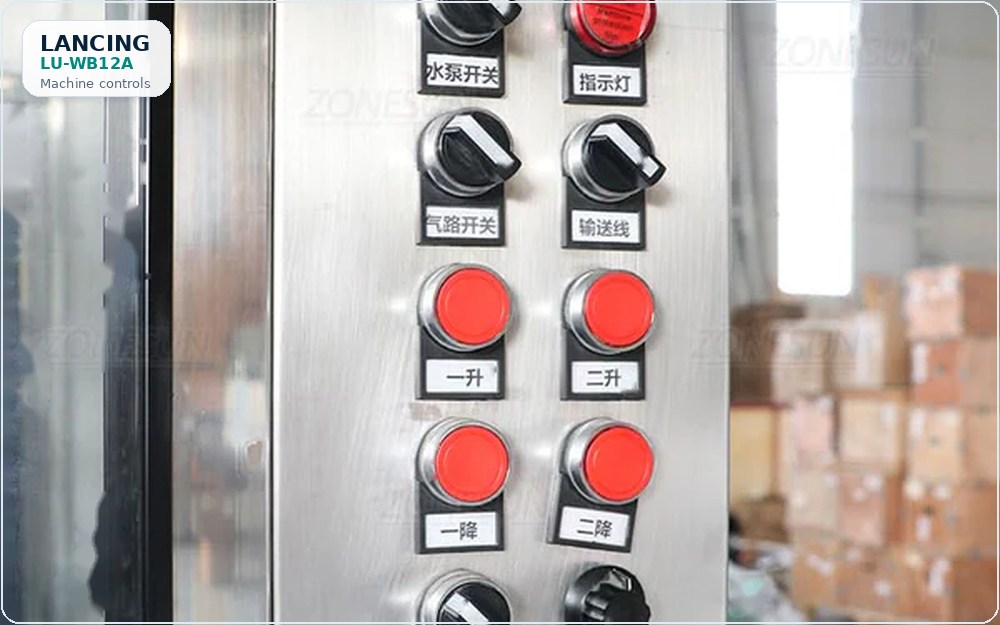
- Confirm compressed air, water, drainage and power availability.
- Check how the rinser transfers into the filler, capper or labeller.
Likely rinsing route
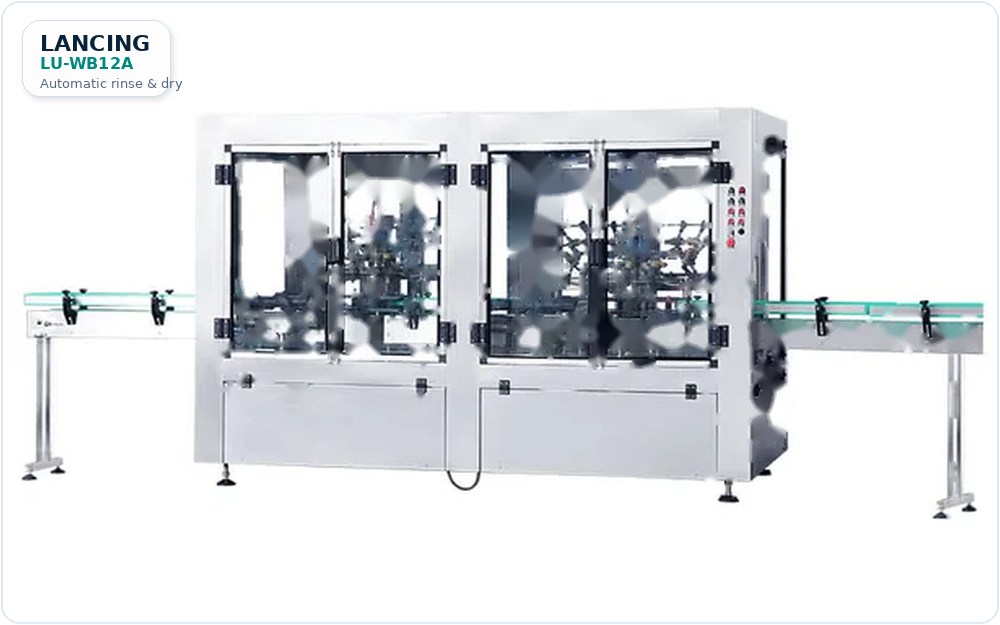
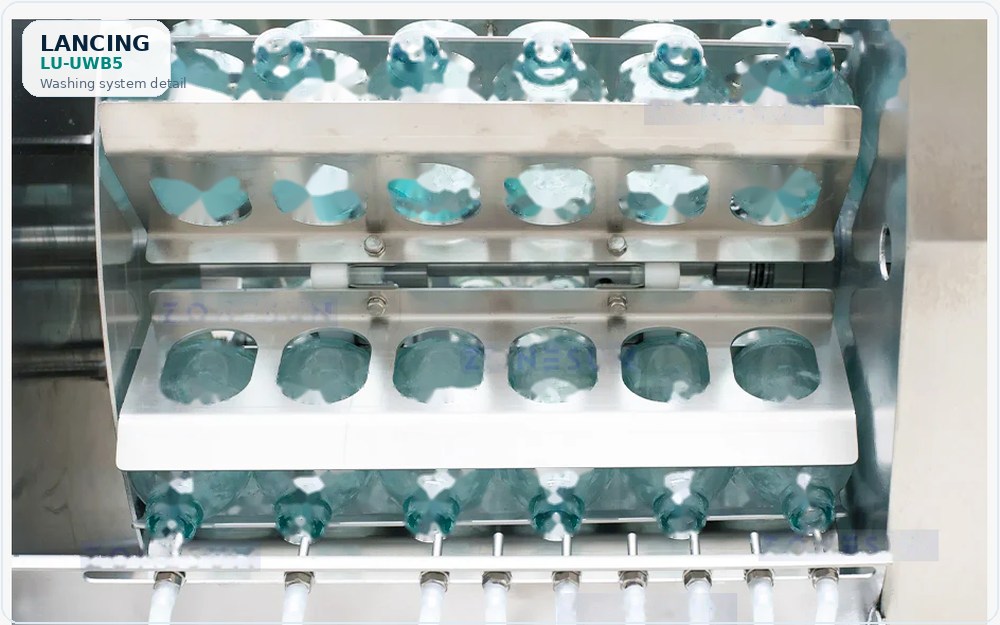
The likely starting point is bottle rinse or wash-dry before filling. Air rinsing is usually considered where loose dust or particles must be removed without adding water. Water rinsing and bottle washing are considered when a wet internal rinse or more active wash is needed. Rinse-dry systems are considered when the bottle must be dry before the next process.
The safest way to avoid under-specifying the machine is to send bottle samples, line speed and photos of the existing filling equipment. That makes it easier to check if a compact semi-automatic rinser, inline automatic rinser, rotary washer or rinse-dry machine is the best route.
How to make the quote more accurate
For juice bottle rinsers, the quote will be more useful when the enquiry includes the product type, bottle material, bottle dimensions, cap or closure style, and downstream equipment. A simple sketch of the line layout also helps identify conveyor, accumulation and operator access issues before the machine is selected.