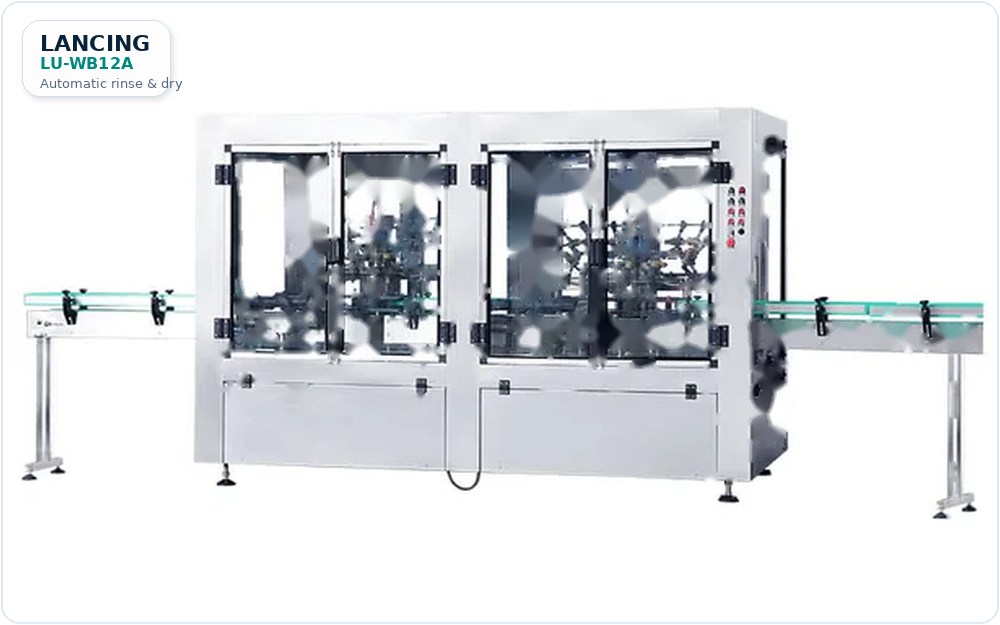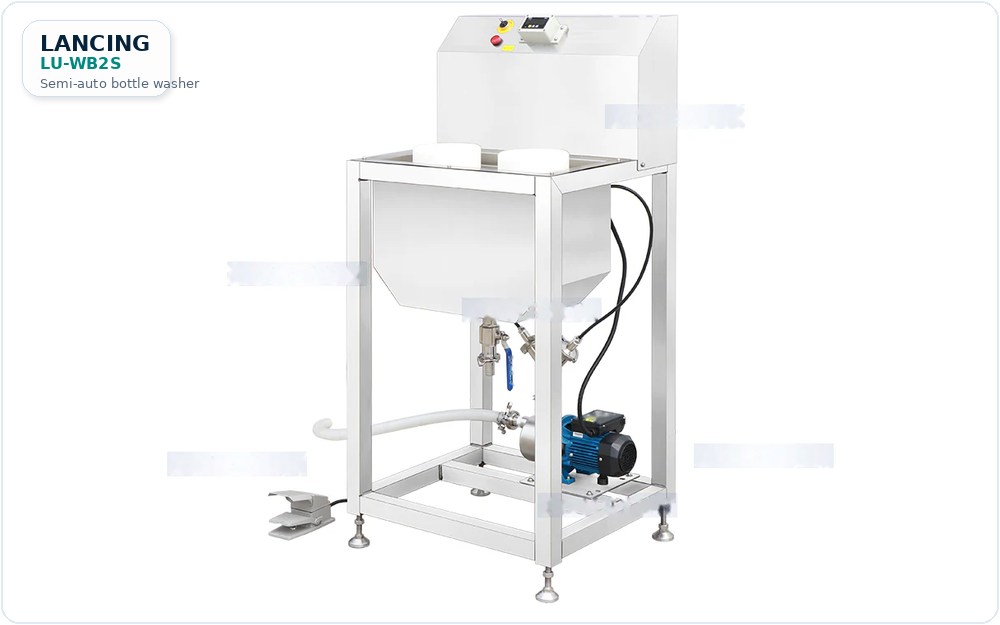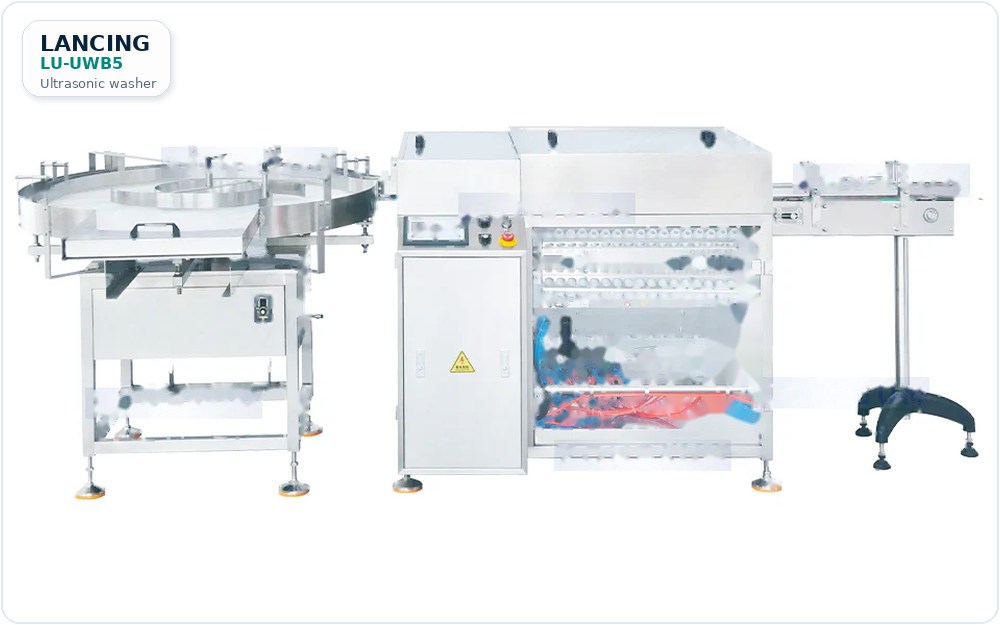
Main machine families
The common buying routes are air rinsing machines, water bottle rinsers, rotary bottle washers, automatic inline rinsers, semi-automatic rinsers and combined rinser dryer systems. The best route depends on the bottle and the cleanliness target.
Do not buy on headline speed alone
Throughput changes with bottle size, rinse time, operator workflow, changeover method and downstream equipment. Ask what assumptions are behind any stated bottles-per-hour figure.
Look beyond the base machine
Budget should allow for conveyors, change parts, guarding, utilities, commissioning, training and any line-integration work. These items often decide whether the installation runs well in production.
Prepare sample information
Good enquiries include bottle drawings or samples, photos, speed target, product sector, rinse medium, site services and existing line layout. This information reduces the risk of a generic recommendation.
Compare supplier support
Support matters because bottle rinsing equipment interacts with multiple production stages. Ask how the supplier handles installation, commissioning, spares, format changes and aftercare.