
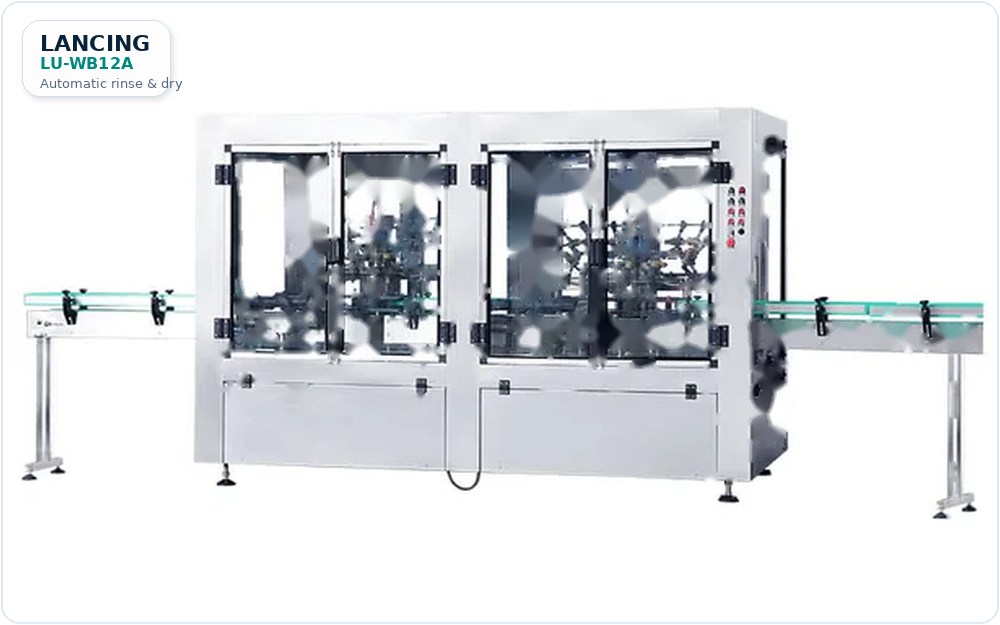
 Automatic
Automatic bottle rinsers
Inline machines for higher-output bottle preparation before filling, capping or labelling.
Explore route →Browse the main bottle rinsing machine routes and compare the equipment style against bottle format, hygiene need, output target and line integration requirement.
Most successful projects start by matching the rinser style to the container, contamination risk, available utilities and the equipment immediately downstream.
Automatic
Inline machines for higher-output bottle preparation before filling, capping or labelling.
Explore route →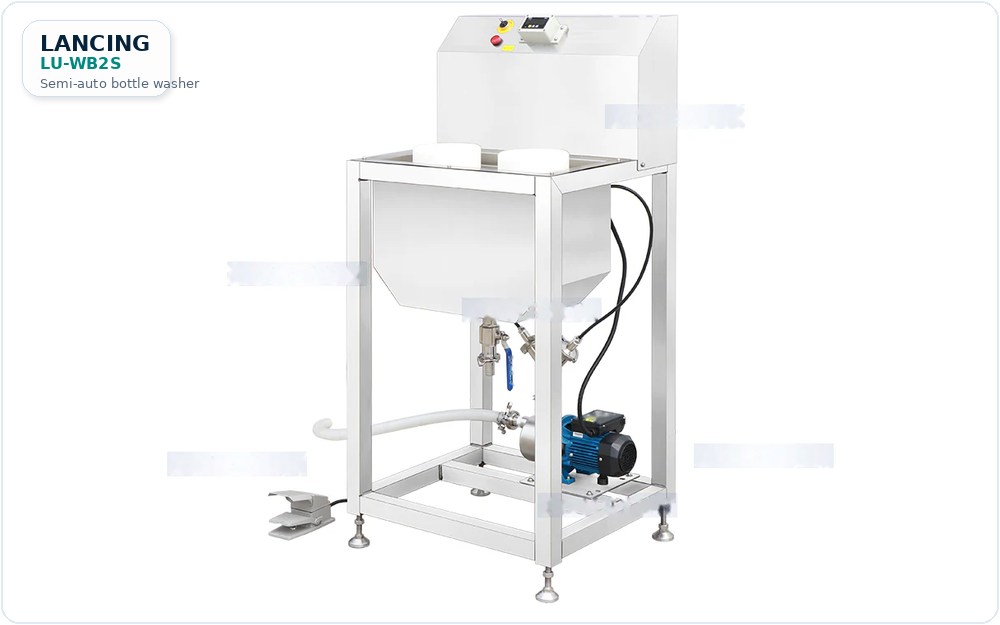 Semi-auto
Operator-fed and compact routes for smaller batches, flexible formats and lower capital projects.
Explore route →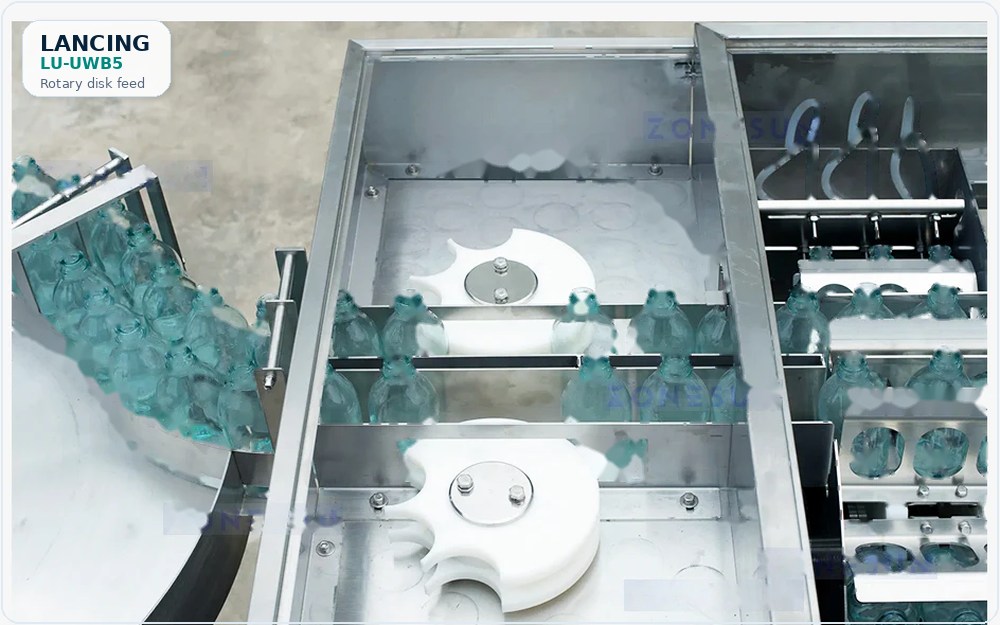 Rotary
Rotary indexing and multi-head rinsing routes for stable presentation and repeatable bottle handling.
Explore route →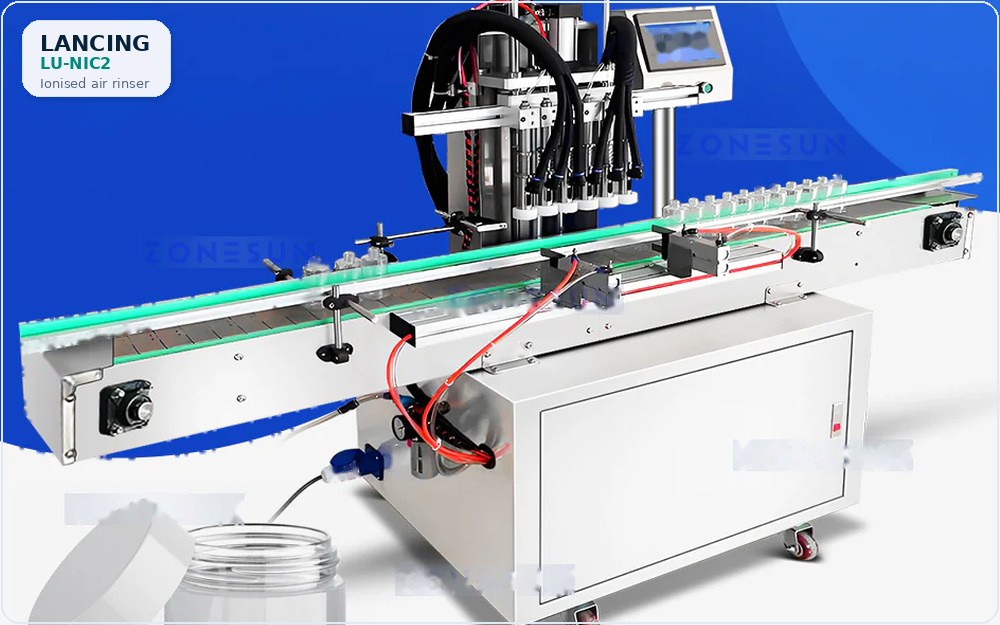 Air rinse
Waterless bottle cleaning for dust, light debris and dry container preparation before filling.
Explore route →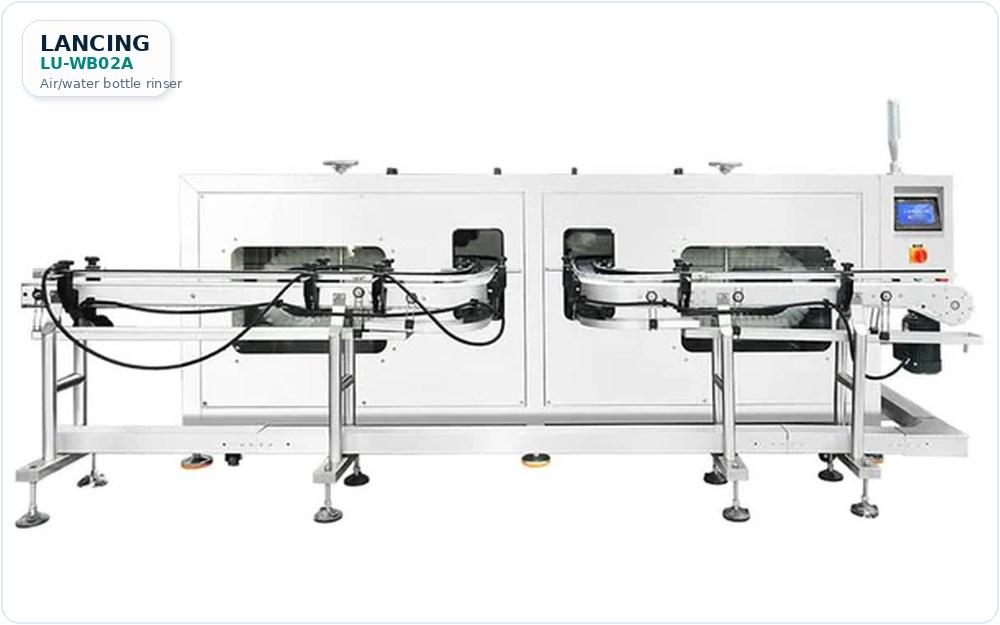 Water rinse
Internal or external bottle washing where water rinsing is required before production.
Explore route →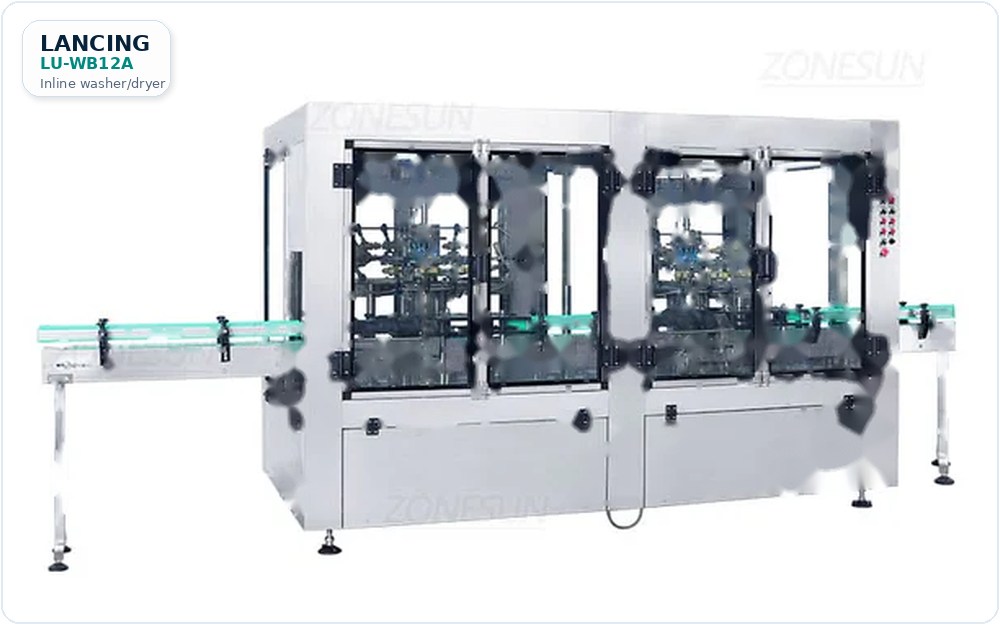 Rinse & dry
Combined washing, draining and clean-air drying for containers that must be dry before fill or label application.
Explore route →A bottle rinsing machine is normally specified as a preparation stage before filling. The purpose may be simple dust removal, a water rinse, a full internal wash, external bottle cleaning, draining or clean-air drying. Each route affects machine layout, utilities and the transfer to the next piece of equipment.
The most important technical questions are the bottle dimensions, the neck finish, how stable the bottle is on a conveyor, whether the bottle can be inverted, the acceptable rinse medium and the target speed. Once these are known, it becomes easier to compare automatic inline rinsers, rotary rinsers, air rinsers and bottle washing systems.
| Rinser type | Best fit | Key checks |
|---|---|---|
| Automatic inline bottle rinser | Higher-output lines with conveyor transfer | Bottle stability, line speed, water/air services, guarding and downstream buffering |
| Semi-automatic bottle rinser | Start-ups, short runs and frequent format changes | Operator loading method, changeover time, bottle handling and achievable batch speed |
| Rotary bottle washer | Controlled indexing and repeatable rinse positions | Head count, bottle diameter range, loading access, cleaning method and drainage |
| Air rinser | Dry bottles where dust or light debris must be removed | Compressed-air quality, ionised air requirement, extraction and bottle inversion |
| Water wash and dry system | Containers that require a wet rinse and dry internal finish | Water quality, drying air, dwell time, drain design and hygiene expectations |
These routes support long-tail searches and internal linking for the new domain.
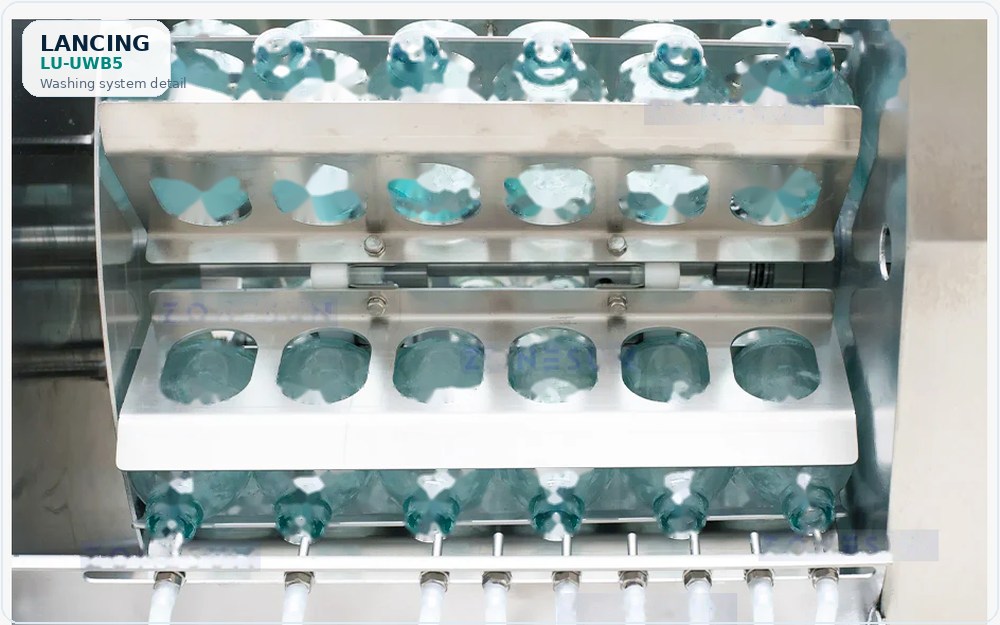 Related
For projects that describe the requirement as washing rather than rinsing.
Explore route →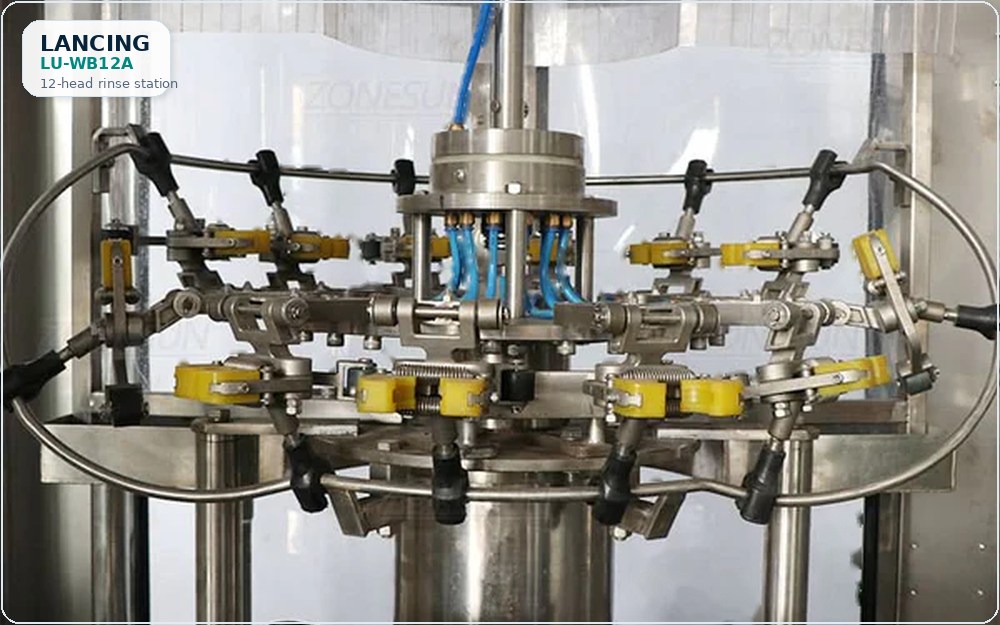 Related
For wet-rinse lines that also need air drying before filling or labelling.
Explore route →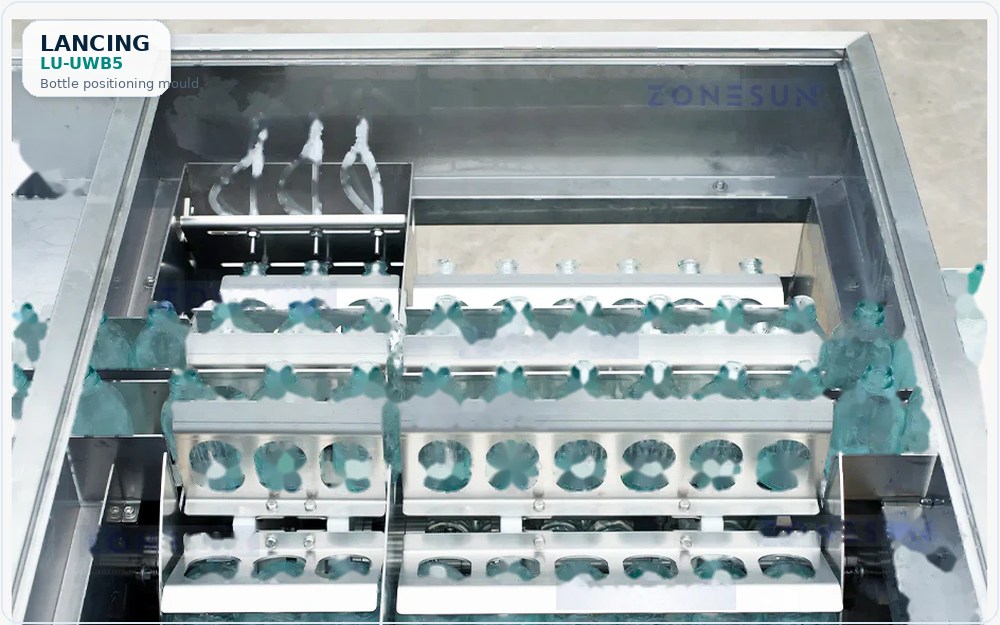 Application
For glass beverage, distillery, oil and sauce bottles.
Explore route →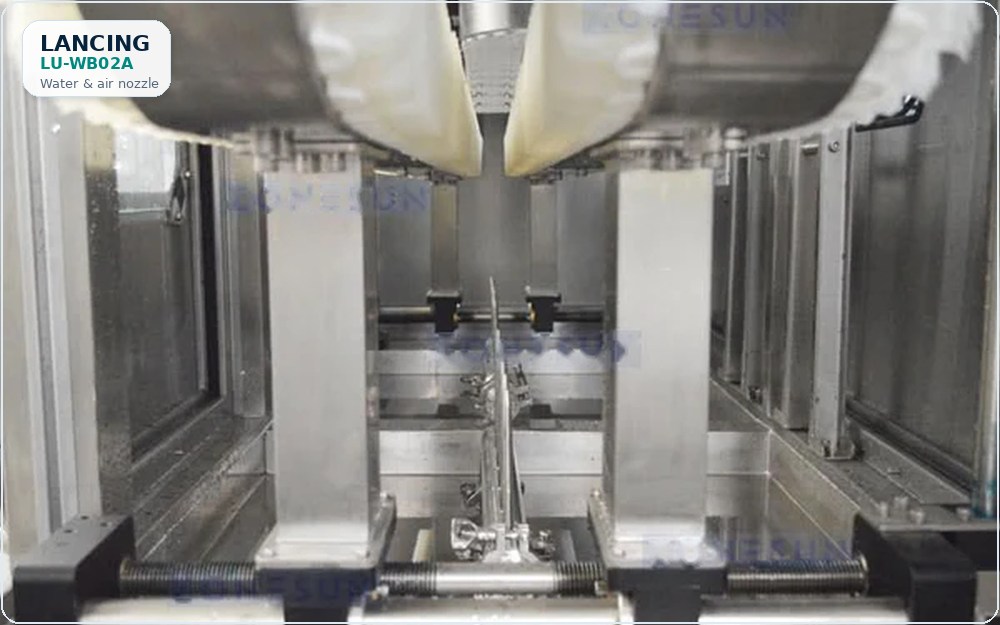 Application
For plastic and lightweight container handling.
Explore route →Common routes include automatic inline rinsers, semi-automatic rinsers, rotary bottle washers, air rinsing machines, water bottle rinsers and combined rinse-dry systems.
Choose by target output, labour model, changeover frequency, footprint and budget. Semi-automatic routes suit smaller batches; automatic routes suit higher throughput and line integration.
Many systems can be configured for both, but bottle dimensions, base stability, neck opening and handling method must be confirmed.
This hub should remain focused on rinsing and pre-fill container preparation. It links out where another Lancing domain owns a different specialist intent.
| Check | How to validate it | Why it affects specification |
|---|---|---|
| Dry dust or static-held particles | Trial filtered or ionised air against real empty bottles and inspect the result. | Usually points towards air rinsing rather than wet washing. |
| Visible residue or external soil | Review whether the work is rinse-only, wash-and-dry or full bottle washing. | Heavy washing, returnable bottles and label removal are better handled through the specialist Bottle Washers UK route. |
| Residual moisture risk | Test whether water carry-over affects filling, capping, labelling or coding. | May require dwell time, draining, drying air or a different order of equipment. |
| Format changeovers | Confirm bottle height, diameter, neck opening, guides, nozzles and change parts. | Prevents a machine being chosen only around one bottle size when the line has several formats. |
For full industrial washing or label-removal projects, use Bottle Washers UK as the specialist reference. For upstream filling-line ownership, connect the final rinser position to the appropriate Lancing filling and packaging-line route rather than duplicating those pages here.
Compare air rinsing · Compare water rinsing · Review rinse-dry systems · Plan validation checks