
Bottle rinsing machines hub
Return to the full machine range and compare alternative rinser styles.
Explore route →Wet-rinse bottle preparation for containers that need water washing before entering the filling stage.
The process might target the internal bottle surface, the external bottle surface, or both. Some projects need a rinse only; others need washing, draining and drying before the bottle can move into filling or labelling. The line design must therefore consider water quality, pressure, drainage, splash containment and any dry-off requirement.
A water rinsing machine should be specified against the actual bottle and product environment. A beverage-style glass bottle line may have different needs from a household chemical bottle, cosmetic bottle or recycled container preparation project.
Use these checks to compare this page against the wider bottle rinser range.
| Project condition | Why it matters | What to confirm |
|---|---|---|
| Water quality | The rinse medium can affect hygiene and final product quality. | Mains, treated, purified or recirculated water expectations |
| Drainage | Wet rinsing needs a planned route for used water. | Drain availability, splash control and cleaning access |
| Dry-off | Some lines cannot accept wet bottles after rinsing. | Draining dwell time, air knives or clean-air drying |
Return to the full machine range and compare alternative rinser styles.
Explore route →Use the buying guide to prepare a stronger shortlist and specification brief.
Explore route →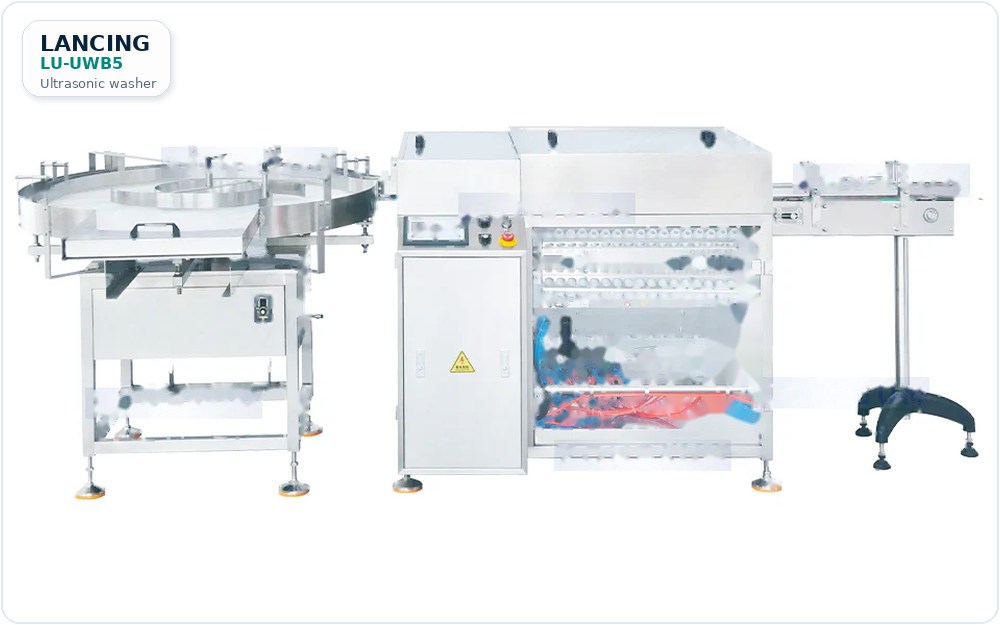 Service
Plan conveyors, transfer points, utilities and installation before ordering.
Explore route →A water bottle rinser uses water to rinse or wash containers before filling. It may clean the inside, outside or both depending on the machine design.
Not always. Drying is required where residual water would affect the product, label, closure or downstream process.
Yes, but water supply, drainage, controls, guarding and conveyor interfaces should be reviewed early.
A water bottle rinser can provide internal rinsing, external washing or a pre-fill wash step where dry air alone is not enough. The practical specification should cover water quality, rinse contact, nozzle access, bottle draining, wastewater route and whether the downstream operation can tolerate residual moisture.
| Check | How to validate it | Why it affects specification |
|---|---|---|
| Rinse water quality | Confirm supply water suitability and any filtering or treatment requirement with the production team. | Protects product quality expectations without making unsupported compliance claims. |
| Rinse-contact area | Use samples to confirm whether the rinse reaches the internal surface, neck or external area that matters. | Determines nozzle selection and presentation method. |
| Drainage and wastewater | Check where rinse water drains and whether site services can handle it. | Avoids installation delays and wet-floor issues. |
| Residual moisture | Inspect bottles after draining and before the next operation. | Decides whether extra dwell time or a rinse-dry system is required. |
For full heavy washing, returnable-bottle washing or label-removal workflows, use Bottle Washers UK as the specialist owner. Keep this page focused on rinse-before-fill water handling and compact water-rinse decisions.