Start with the bottle
Measure bottle height, body diameter, base shape, neck opening and material. A stable round glass bottle and a lightweight shaped PET bottle may need very different handling even when the cleaning requirement looks similar.
Ask whether the bottle can be inverted, gripped or indexed safely. Check whether the bottle scuffs easily or holds dust because of static.
Define the cleaning target
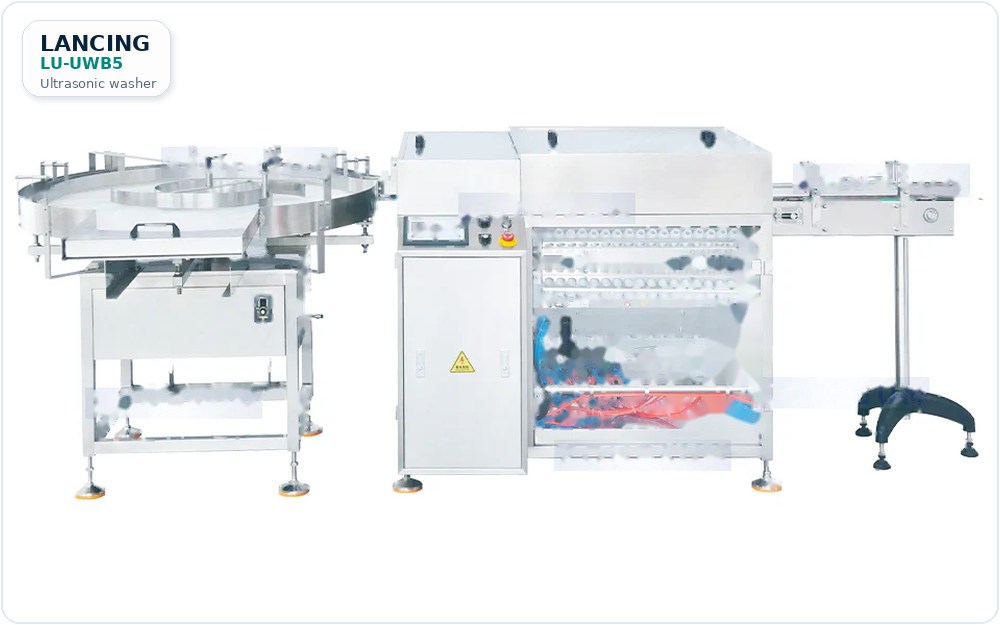
Decide whether the real problem is dust, loose particles, storage debris, water-soluble residue, external marks or a process requirement for wet washing. Air rinsing, water rinsing and bottle washing solve different problems.
Choose the automation level
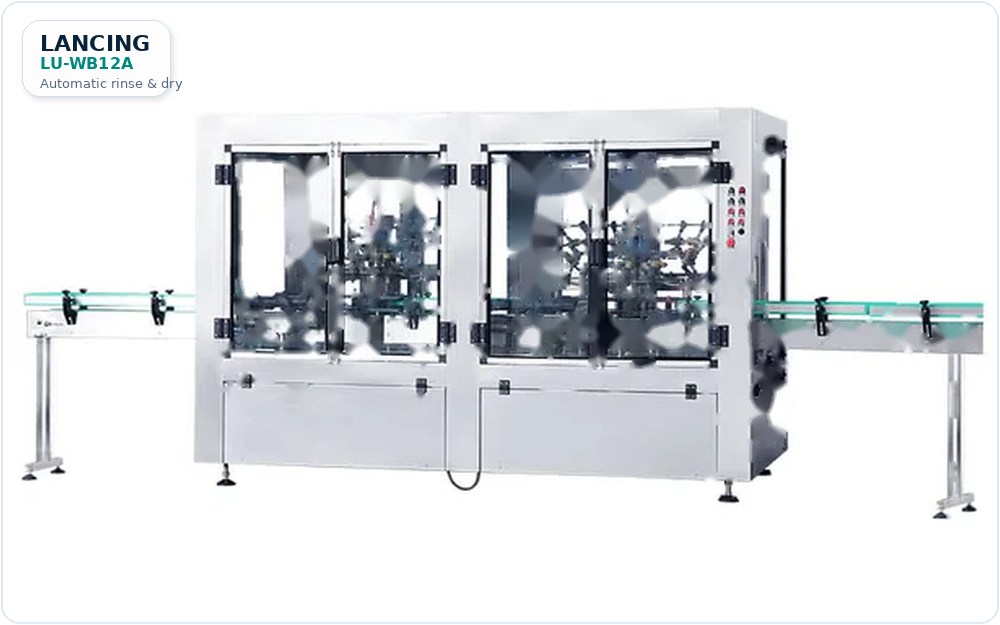
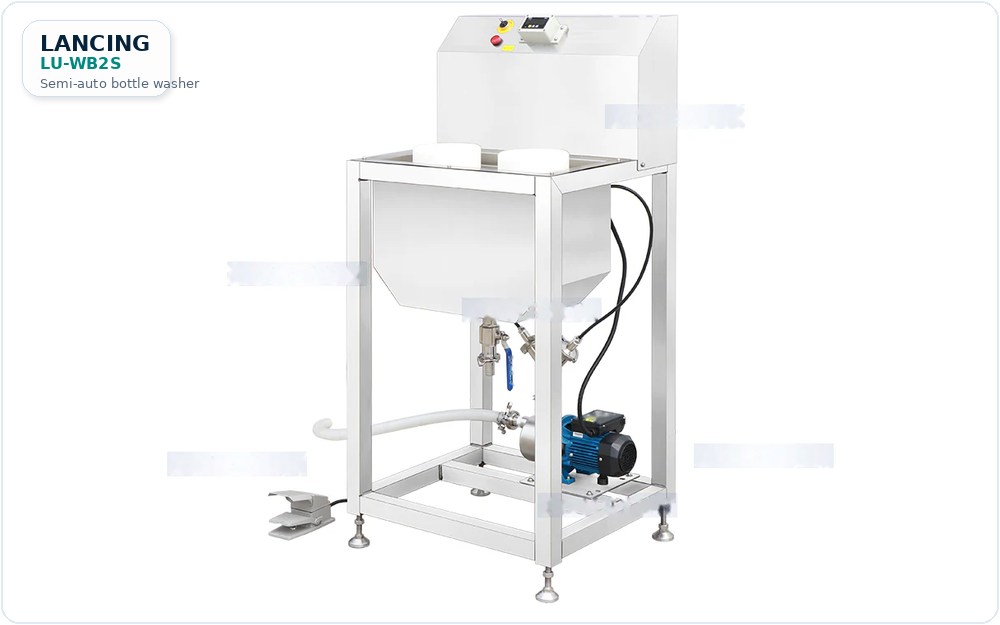
Semi-automatic rinsing may suit short runs and frequent changeovers. Automatic rinsing is more appropriate where the preparation stage must keep pace with a filler and reduce manual intervention.
Confirm utilities early
Air rinsers depend on compressed air quality and flow. Water rinsers depend on water supply, pressure and drainage. Rinse-dry systems also need enough clean air and dwell time to achieve the required dryness.
Plan the line interface
The rinser should match the filler, capper, labeller and conveyors. Poor transfer points or speed mismatch create downtime even when the rinser itself is correctly specified.