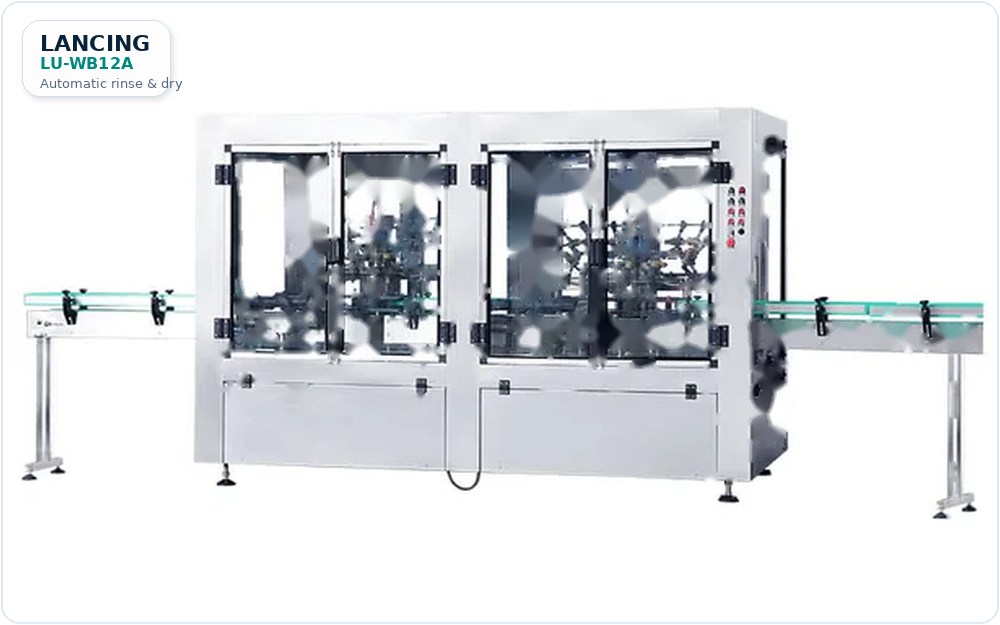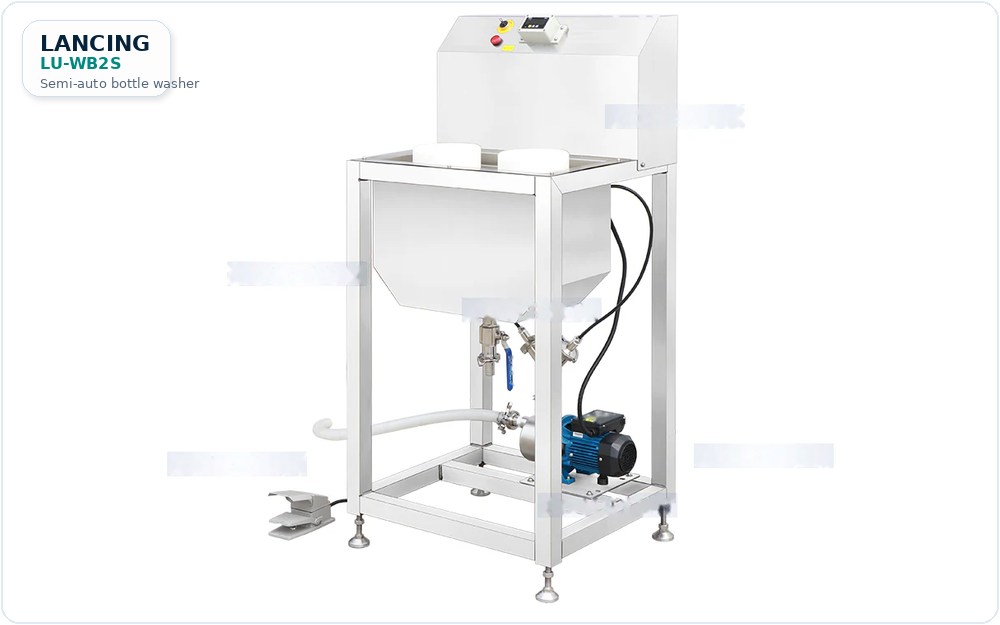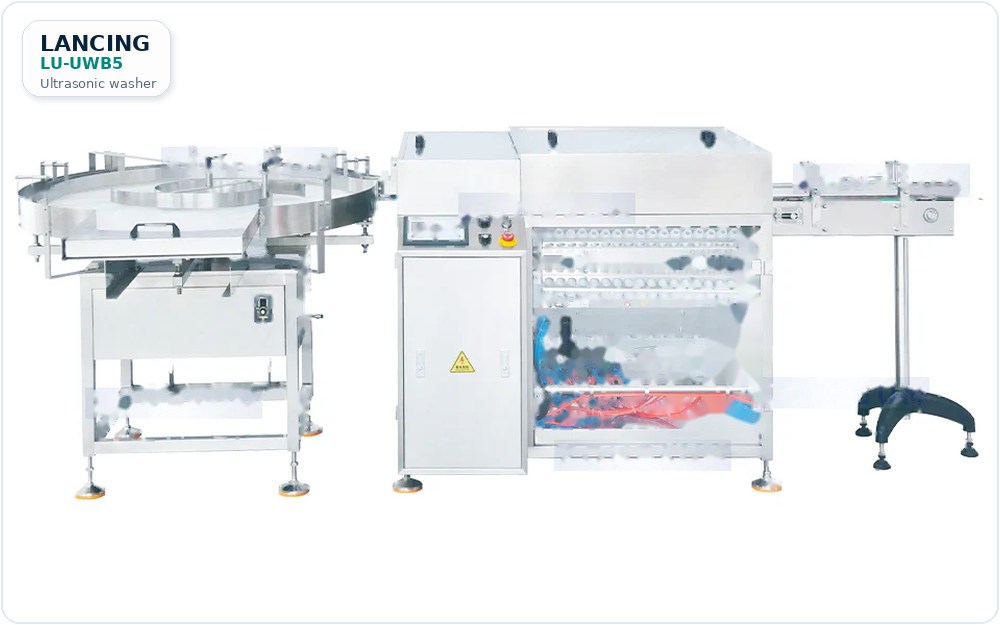
Map the line sequence
Confirm whether the rinser sits after bottle feeding, after unscrambling, before filling or before another preparation stage. Draw the direction of travel, conveyor heights and operator positions.
Match speeds
Compare the rinser output against filler, capper and labeller capacity. A rinser that is too slow becomes a bottleneck; a rinser that is much faster may need accumulation or control logic.
Check transfer stability
Look at bottle guides, rail settings, transfer plates, dead plates and curves. Lightweight or tall bottles may need additional handling support.
Confirm utilities
List electrical supply, compressed air, water, drainage and extraction requirements. Confirm where each service is available and whether site work is needed before installation.
Plan operation and maintenance
Leave access for loading, cleaning, nozzle checks, change parts, guarding, inspection and maintenance. A compact machine still needs practical working space around it.