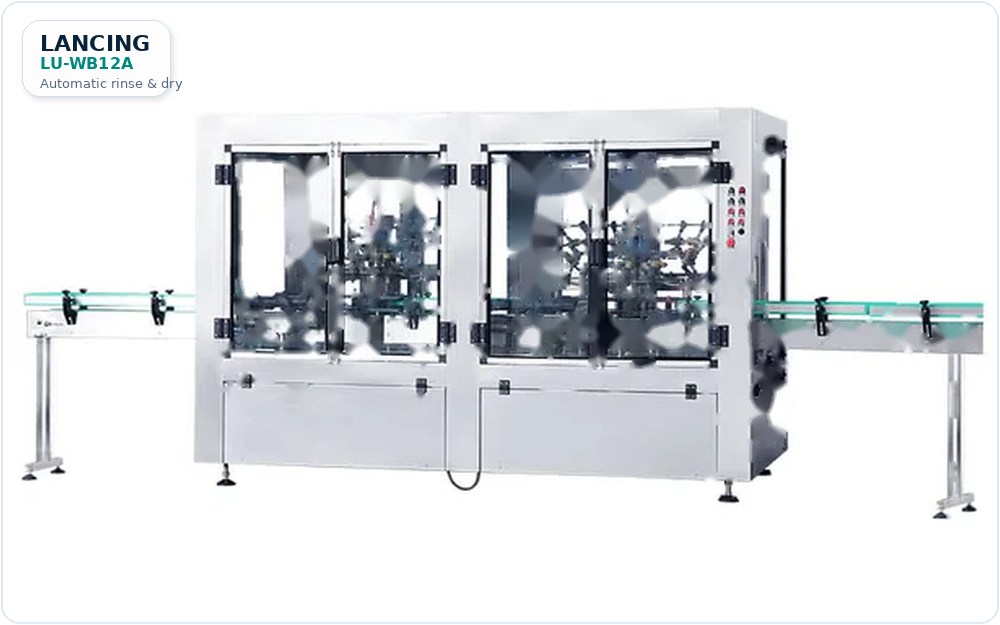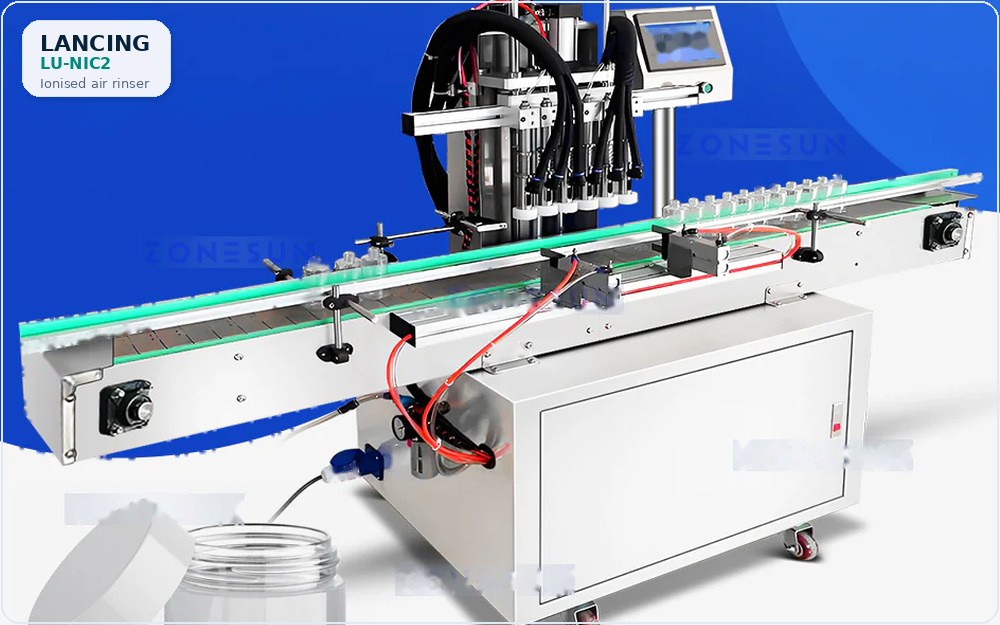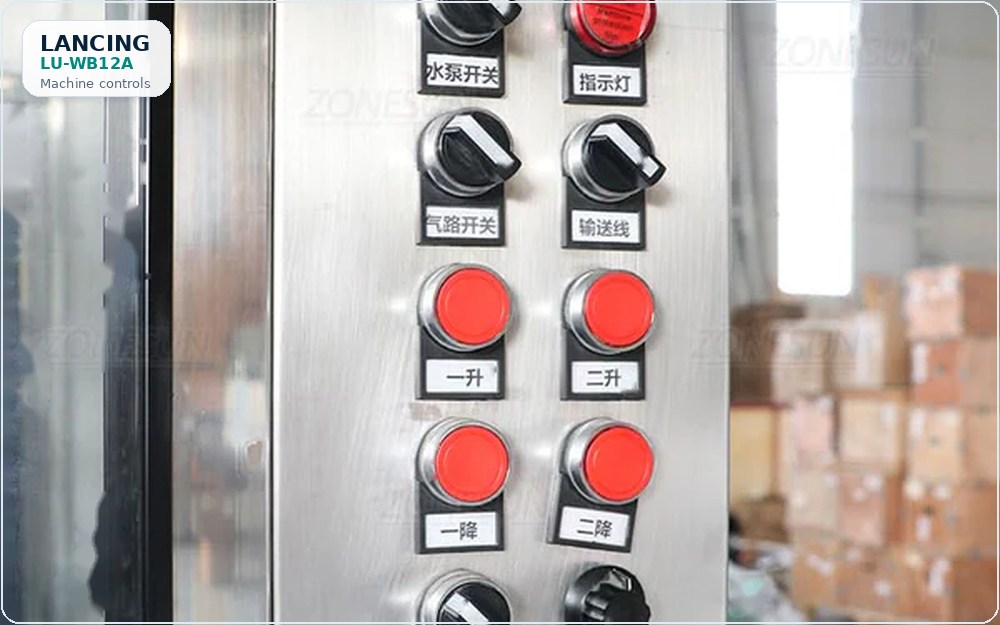
Start with the bottle and the line problem
This guide focuses on bottle rinser output speeds. The best answer depends on the exact bottle format, the reason for rinsing, the target output and the line equipment around the rinser. A bottle rinser that works well in one line can struggle if the bottle is lighter, taller, unstable or needs a different rinse method.
For production teams sizing a rinsing machine, the most useful first step is to separate three questions: what has to be removed, whether the bottle may get wet, and how quickly the bottle needs to leave the rinser and enter the filler.
Questions to answer before shortlisting
- What bottle material, height, diameter and neck finish will be used?
- Is the main requirement dust removal, wet washing, draining, drying or presentation?
- What output is required and what speed does the filler actually run?
- Will the line run one bottle size or multiple changeover formats?
- What compressed air, water, drainage and electrical services are already available?
Common mistakes to avoid
The most common mistake is choosing by price or machine name before proving the bottle handling. Bottles per minute, bottles per hour and downstream filler speeds can change the specification because stability, bottle opening, rinse dwell time and conveyor transfer all affect real production performance.
Another common issue is ignoring the downstream equipment. The rinser must not only clean the bottle; it must present it to the filler, capper or labeller at a speed and condition that the rest of the line can accept.
Next step for a practical shortlist
Send bottle dimensions, photos, target output and a short description of the current line. Lancing can then compare speed and dwell-time checks against the bottle and line constraints before suggesting the most suitable bottle rinsing route.